
The silent guardian

How resistors protect data centres from electrical stress

The data centre market is booming thanks to AI. According to Goldman Sachs, the explosion in generative AI means demand for data could increase 50 per cent by 2027 and by as much as 165 per cent by the end of the decade compared to 2023’s figures. It’s clear data centres are fast becoming another lifeblood utility in modern society, but what would happen if one suddenly switched off? Here, Mike Torbitt, Cressall‘s managing director, theorises just how much our world will rely on data centres in the future — and how to ensure their reliability.


Just as water, electricity and internet access have become utilities essential to modern life, information itself — stored, processed and delivered via data centres — is emerging as another utility of the digital age.

Goldman Sachs estimates that current power usage by the global data centre market sits at around 55 gigawatts (GW) and is comprised of cloud computing workloads and traditional workloads for typical business functions such as email or storage and AI.

Currently, the analyst estimates AI makes up roughly 14 per cent of this 55 GW capacity. However, when modelling future demand for these workload types, its analysts predict data centre power demand could reach 84 GW by 2027 with AI growing to 27 per cent of the overall market.

Of course, this is just one of many predictions and the crystal ball is present during any discourse on AI’s future. What appears definite though, is that the technology is transforming the way we consume information and thus the capacity of data centres.

Lights off

So, what would happen if a data centre suddenly lost power? The effects could ripple far beyond disrupted websites. Online banking, medical diagnostics, AI-powered logistics and smart energy infrastructure are just some of the many applications that rely on a continuous flow of information being processed and stored in these facilities.

For AI-specific workloads, the risks are particularly acute. Training large-scale models involves thousands of simultaneous graphics processing and tensor processing unit operations that can run for days or weeks. If power is lost mid-process and checkpointing isn’t frequent or robust, entire training runs may be corrupted or lost. Inference systems that run in real-time such as recommendation engines, chatbots or fraud detection tools can stall instantly, causing service degradation or outright failure.

Data integrity is another issue. Many applications run on distributed databases that rely on synchronous replication and consensus mechanisms. If nodes in different racks or zones go down at slightly different times, it can cause data inconsistency or split-brain scenarios, where systems disagree on the current state of data.

While most modern data centres are equipped with uninterruptible power supplies (UPS) and backup generators, a delay in switching over to backup power, a failed UPS battery bank or insufficient fuel reserves in a prolonged grid failure can all lead to downtime.

Powering resilience

As data centre workloads become more complex and the stakes of downtime more severe, electrical reliability becomes a critical point of failure and therefore, a primary design consideration. This is where passive components like resistors play a role in ensuring stable, resilient operations.

Resistor technologies such as neutral earthing resistors (NERs) are essential to protecting infrastructure and maintaining uptime. NERs are deployed to limit fault current during earth faults, preventing damage to expensive components like transformers and switchgear. In the event of a ground fault, an NER ensures the fault current is safely controlled and isolated, allowing the rest of the data centre to remain operational while the fault is addressed.

Load banks, on the other hand, are used to test and validate backup power systems by simulating real electrical loads under controlled conditions. They allow operators to verify that backup systems can deliver the required power reliably during an actual outage, without the risk of affecting live data centre operations.

Routine load bank testing can uncover issues such as fuel delivery problems, battery degradation or improper load sharing between generators — all of which might otherwise remain hidden until an emergency strikes. By identifying and correcting these issues in advance, load banks support predictive maintenance, regulatory compliance and, ultimately, system resilience.

Making the choice

Of course, not all resistor solutions are created equal. As data centres scale, operators must consider variables such as fault current levels, system voltage, spatial constraints, cooling requirements and compliance with international standards.

Selecting the appropriate NER with the correct resistance value and time rating, how long the resistor can safely carry fault current before its temperature exceeds safe operating limits, is critical for effective fault current limitation without interrupting service. Likewise, load banks must be sized to reflect real-world power demands and designed for integration with both generator and UPS systems.

Custom engineering plays a significant role in aligning these technologies with the architecture of each facility. Modular data centres, hyperscale environments and edge computing sites each present unique demands — from space and airflow limitations to maintenance accessibility. Working with experienced resistor manufacturers, like Cressall, ensures that resilience is built into the system from the ground up, not added as an afterthought.
In a digital economy that’s becoming increasingly dependent on uninterrupted data flow, choosing the right components to ensure reliability matters. As the utility of the modern world, the cost of downtime in data centres is only going to rise as our implementation of AI technologies increases. Building safety nets into systems is therefore critical and, while resistors may not be the first component that springs to mind, their role in data centre uptime has never been more important.

Learn more about Cressall’s range of resistor technologies by visiting the website

CRE789

ENSURING UPTIME IN DATA CENTRES

HOW RESISTOR SOLUTIONS POWER AND PROTECT DIGITAL NETWORKS

Data centres are the unseen backbone of the digital economy. According to TechUK, they contribute £4.7 billion in Gross Value Added (GVA) to the UK economy every year — a figure that continues to grow alongside demand for cloud computing, AI processing and digital services. But behind the servers and storage units lies a complex electrical infrastructure that must perform seamlessly. Here, Mike Torbitt, managing director of Cressall, explains how resistors help safeguard data centres from costly power disruptions.

The digital transformation of businesses across every sector has placed extreme pressure on data centres. Handling greater volumes of information faster and more efficiently demands increasingly sophisticated infrastructure and additional power. Ensuring this infrastructure runs reliably and without interruption is essential, particularly as outages can result in significant financial losses, data corruption and reputational damage.


KEEPING POWER UNDER CONTROL

One of the biggest challenges data centre operators face is power stability. Voltage fluctuations, whether sudden drops or surges, can severely disrupt sensitive IT equipment such as servers, storage arrays and networking gear, which are all finely tuned to operate within specific voltage ranges. Even small deviations can lead to data corruption, hardware malfunctions or premature wear. Over time, these fluctuations not only drive up maintenance costs but also shorten the lifespan of expensive infrastructure.

Power interruptions, even just momentary losses, can have equally damaging consequences. A brief outage can bring entire systems offline, forcing emergency shutdowns and triggering lengthy reboot sequences. In high-availability environments, where uninterrupted uptime is paramount, even a few seconds of downtime can result in lost transactions, missed service level agreements and compromised services for thousands of users.

Excess energy is another factor that needs to be managed efficiently to prevent overheating and maintain energy efficiency. With data centres under growing scrutiny for their environmental footprint, electrical infrastructure must be designed to support both performance and sustainability.

RESISTOR SOLUTIONS FOR MODERN DATA CENTRES

Resistor technology is vital in supporting the performance, safety and longevity of data centre electrical systems. Neutral earthing resistors (NERS), in particular, are key to maintaining power resilience and operational safety.

NERs are primarily used to limit the current that flows during an earth fault, protecting both personnel and equipment. If a fault occurs, such as a short circuit to ground, NERs restrict the fault current to safe levels, preventing damage to transformers, switchgear and other components. By supporting controlled fault management, NERs help data centres stay operational while faults are safely isolated and resolved. This ultimately contributes to improved system uptime and reduced risk of severe damage.

Another resistor type that supports continuous, reliable power in data centres is dynamic braking resistors (DBRs). These resistors help to regulate power during transitions between power sources, particularly when switching to backup systems such as generators or uninterruptible power supplies (UPS).

Voltage fluctuations during these transitions can damage connected equipment or cause trip events. DBRs mitigate this by absorbing excess electrical energy and convert it into heat, preventing overvoltage conditions and enabling a smoother transition. By controlling power flow, they reduce stress on the system and help avoid unscheduled outages.

Both NERs and DBRs can be tailored to meet the specific demands of data centres, including space constraints, cooling considerations and compliance with international electrical standards. Cressall’s resistor designs also prioritise ease of maintenance, high thermal performance and long operational life — crucial for facilities like data centres that must operate without interruption.

As power demands grow and data centre operators look for ways to expand sustainably, the role of resistors will only become more important. From protecting critical equipment to ensuring compliance with safety standards, resistor technologies such as NERs and DBRs will be crucial in keeping the UK’s digital infrastructure secure, efficient and online.

Cressall has decades of experience in supporting vital electrical infrastructure. To find out how our resistors could benefit your data centre application, get in touch with our team.

CRE728


CONSISTENT CRANE CONTROL

Crane control using cressall motor control resistors

UNLOCKING EFFICIENT MOTOR CONTROL WITH RESISTORS

Cranes are the backbone of industries like construction, manufacturing and logistics, where the lifting and precise placement of heavy loads are essential. Ensuring that cranes operate smoothly, safely and efficiently requires sophisticated motor control systems. Here, Mike Torbitt, managing director of Cressall Resistors, explains the role that resistors can play in ensuring consistent, efficient crane control.

From erecting skyscrapers and loading cargo at ports to maintaining power plants and assembling aircraft, cranes are crucial for operations that require robust and reliable lifting solutions. As the construction industry continues building upwards — with 600 more skyscrapers in the pipeline for London alone — cranes will be key to realising future industry projects.


A CRUCIAL CONTROL SYSTEM

At the heart of crane operations is a control system, which is responsible for managing the various movements and functions of the crane. These systems include both mechanical controls, like gears and pulleys, and electrical controls, such as motor drives and braking systems. The primary objective of a crane control system is to ensure that the crane operates efficiently and safely — whether that’s lifting a beam into place on a skyscraper or positioning a delicate component in a manufacturing process.

Motor control systems in cranes play a crucial role in managing the speed, torque and direction of the crane’s movements. They enable operators to have precise control over the crane’s actions, from the gentle lifting of a load to the exact positioning of materials.

Advanced control systems also include features for monitoring and adjusting performance in real-time, which helps to maintain the operational efficiency and safety of the crane. By integrating these controls, cranes can achieve higher productivity, reduced operational costs and improved safety.

THE ROLE OF MOTORS

Motors are the powerhouses behind the various functions of a crane, driving the mechanisms that lift, lower and move loads. In crane systems, motors are used to control different parts, including the hoist, trolley and the crane’s overall movement on its tracks or rails. Each motor’s performance must be precisely managed to ensure that the crane can handle heavy loads safely and efficiently. Several advanced motor control technologies are required to provide the necessary regulation and coordination for optimal crane operation.

Variable frequency drives (VFDs) are one critical component in crane motor control systems. They adjust the frequency of the electrical power supplied to the motors, allowing for precise control of motor speed and torque. This is essential for the smooth lifting and lowering of loads, as well as for finetuning the crane’s movements. By optimising motor performance, VFDs help reduce energy consumption and mechanical stress, extending the life of the crane’s components and enhancing overall efficiency.

Dynamic braking systems are another essential, allowing for rapid deceleration and stopping of the crane’s movements. This capability is critical for ensuring safety and preventing accidents, especially in emergency situations where quick response times are necessary. Dynamic braking systems help manage the kinetic energy generated by the crane’s movements, converting it into heat and dissipating it safely, which prevents potential hazards associated with uncontrolled load movement.

RESISTOR RELIABILITY

Resistors play a vital role in a crane’s dynamic braking system, by managing power dissipation and ensuring safe and efficient operations. In crane applications, resistors are used in various ways to enhance the performance and reliability of the control systems.

When a crane slows down or stops, the kinetic energy from the moving parts is converted into electrical energy, which needs to be dissipated to prevent damage or overheating. Resistors absorb this energy and convert it into heat, allowing for controlled and safe deceleration. This is crucial for maintaining the stability and safety of the crane, especially when handling heavy loads or during emergency stops.

Cressall Resistors is a leader in power resistor solutions, offers a range of products specifically designed for crane motor control systems. Its dynamic braking resistors are designed specifically for high-power applications, to operate efficiently in demanding and harsh environments often encountered in crane operations.

Motor control systems are the backbone of efficient, safe crane operations. By integrating these technologies, and the resistors that safeguard the systems, cranes can achieve superior performance, reliability and safety, elevating efficiency across many industries.

CRESSALL MOTOR CONTROL RESISTORS

CRESSALL DYNAMIC BRAKING RESISTORS


POWER PROVE LAUNCHES POWER CONTROL CHOPPER FOR CRITICAL TESTING

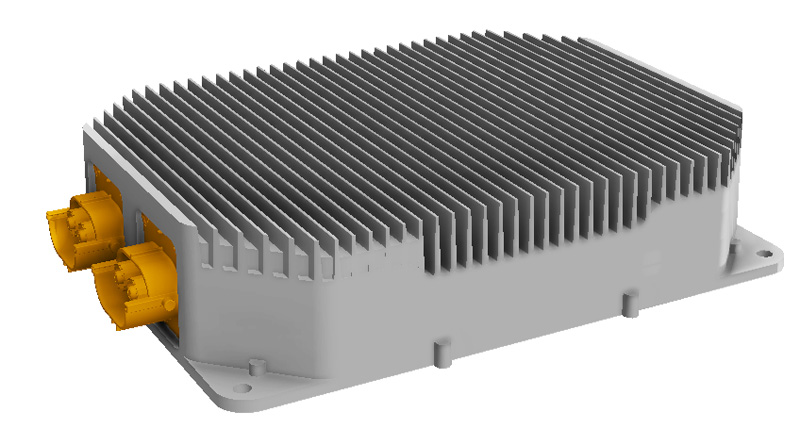
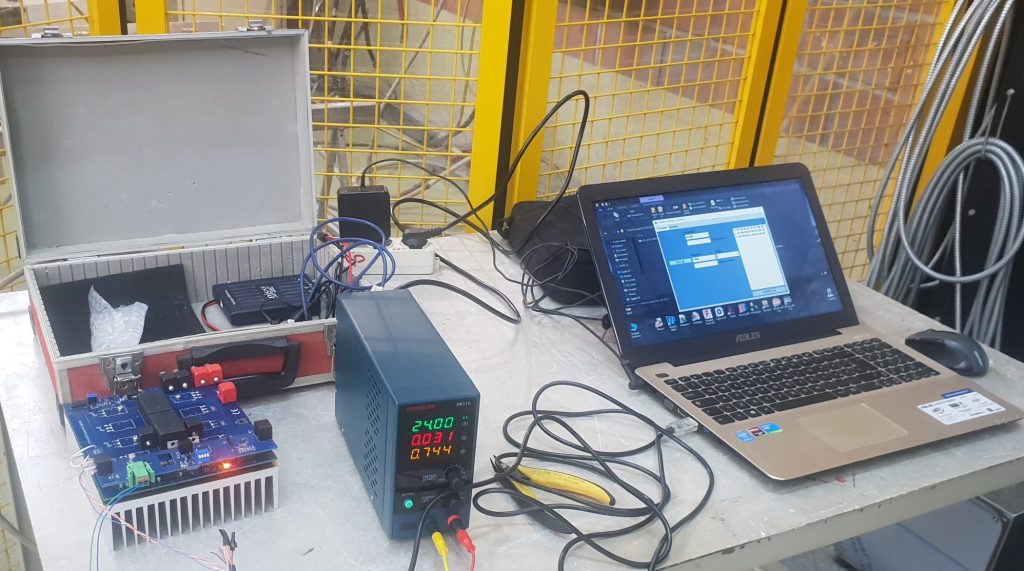
In response to growing demand for more precise power dissipation, load bank manufacturer Power Prove has launched a dedicated IGBT-based electronic power control chopper, for continuous regulation of its load bank product offering. The power control chopper can be easily integrated into load banks to achieve high power dissipation and a degree of precision superior to that offered by any competitor.


Power Prove, the load bank division Cressall Resistors, commissioned the design of the power control chopper to Italian Internet of Things (IoT) solution developer Techmakers. The combination of Power Prove’s in-depth knowledge of load banks and Techmakers’ expertise in electronic and software-controlled devices has resulted in a powerful, yet cost-effective, solution that meets the growing demands of the market.

A power control chopper is an electrically controlled solid state switch that is used to control the amount of current permitted to flow through a circuit. Normally, a high-power variable load requires multiple fixed value load sections ranging in values for power dissipation with contactors and a logic controller. However, by integrating the power control chopper into the system, a near-infinite set of values for power dissipation can be achieved using just a single resistor.

Power Prove’s chopper also has a closed-loop regulation circuit, which is capable of adapting to fluctuations in voltage and cold resistance variation without any input. Multiple units can be combined to reach high-power dissipation, enabling the load bank to withstand even the greatest of power values with high precision.

Anywhere that requires constant power, whether that’s a healthcare facility, manufacturing plant, or IT data centre, simply cannot afford a complete loss of power. These layers of infrastructure are often secured by an uninterruptible power supply (UPS) that provides power for critical operations if supply from the grid fails.

“The challenge for the managers these systems, which are often deployed as sources of back-up power in a black-out situation is how to determine whether the system is operational and will not fail on the relatively infrequent occasions when their use is required at a critical moment. Regular testing of emergency systems using load banks is therefore essential,” explained Andrew Keith, division director of Power Prove.

“Since these systems provide such a critical safety mechanism, a high level of precision is vital,” continued Keith. “The new power control chopper allows us to provide our load bank customers with a customisable load bank that can be easily integrated into an existing system to provide infinite levels of power adjustment at a degree of precision that is simply not available elsewhere on the market.”

An example of the power control chopper’s application is with battery discharge testing. The chopper can be used with a current feedback loop to provide a genuine constant current load on battery systems up to 1000 V DC. Multiple chopper units can be fitted inside the same load bank, or a combination of traditional fixed loads and chopper modules can be used to create a load bank with the current discharge capacity to suit its application.

In addition, the increasing adoption of electrical vehicles powered by batteries and fuel cells is generating a wide range of operating scenarios that need to be simulated. The development of the power electronic control module allows Power Prove to produce load banks that simulate a much more diverse range of operating conditions for research and development (R&D) testing, system commissioning tests and regular planned maintenance load testing.

The power control chopper is available globally from Power Prove, for more information, visit the website.

CRE460