
Choosing the right resistor element for reliable earthing protection
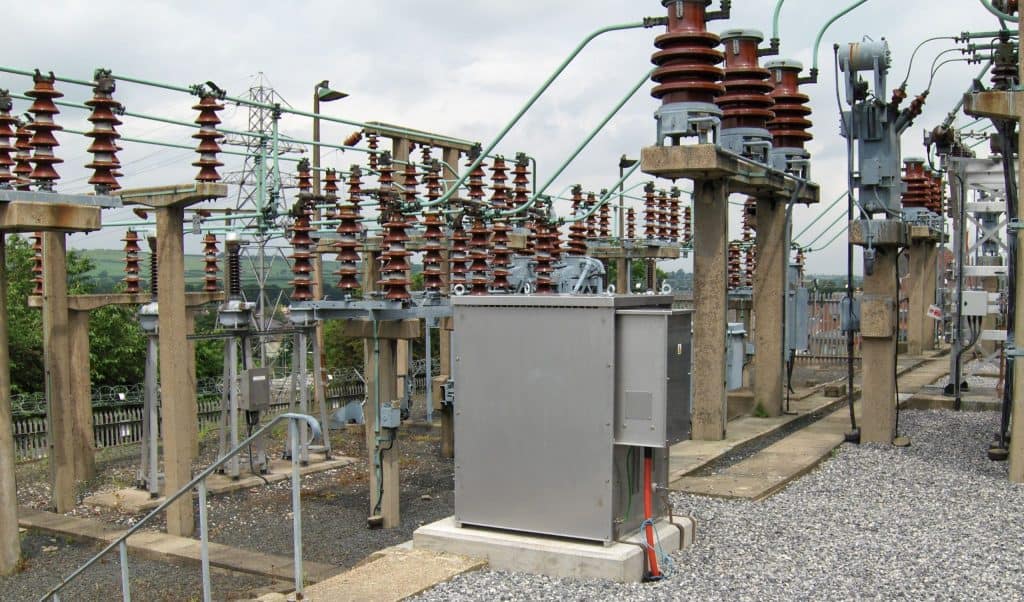
As electrical networks become more demanding, the role of neutral earthing resistors (NERs) is becoming increasingly important. From renewable energy infrastructure to growing data centre capacity, modern power systems depend on reliable fault protection. That reliability starts with the resistor element itself.
WHY NER DESIGN MATTERS MORE THAN EVER
NERs are designed to limit earth fault currents, helping to protect equipment, maintain system stability and reduce the risk of outages. As power demand grows and networks become more complex, selecting the correct resistor technology is no longer just a specification detail, it is critical to long-term system performance.
Recent industry forecasts highlight the scale of the challenge ahead. According to the UK House of Commons Library, “Data centres currently consume around 2.5 per cent of the UK’s electricity. The sector’s electricity consumption is expected to rise four-fold by 2030.” As infrastructure demand accelerates, dependable fault protection becomes increasingly important.
UNDERSTANDING THE ROLE OF RESISTOR ELEMENTS
Within NER systems, three element technologies have proven particularly effective: edge-wound coils, wire-wound coils and expanded mesh. Each offers distinct advantages depending on the application, operating environment and fault duty requirements.
Selecting the right element is critical to ensuring safe and dependable system performance under fault conditions.
EDGE-WOUND COILS FOR HIGH-ENERGY APPLICATIONS
Edge-wound resistor elements are designed to handle demanding fault duties and high energy absorption. Manufactured from stainless steel strip wound edgewise onto ceramic insulators, they combine high performance with compact construction.
One of their key advantages is the ability to accommodate extreme thermal expansion during fault events. Temperatures can exceed 1000°C, yet the element can expand and contract freely without creating mechanical stress.
This makes edge-wound technology particularly well suited to high-voltage substations and other applications where NERs must safely dissipate large fault currents.
COMPACT AND EFFICIENT WIRE-WOUND SOLUTIONS
For applications requiring higher resistance values and lower power ratings, wire-wound elements provide a practical and economical solution.
Using nickel-chrome or chrome-aluminium wire wound onto ceramic formers, these elements offer compact construction, low inductance and quiet operation. They are often ideal for indoor installations or smaller industrial systems where space and acoustic performance are important considerations.
While they are not typically selected for the highest energy duties, wire-wound coils continue to offer dependable performance in the right operating environment.
EXPANDED MESH FOR RAPID COOLING AND RESILIENCE
Expanded mesh technology offers a different set of advantages, particularly where cooling performance and mechanical resilience are priorities.
Its open structure promotes unrestricted airflow, allowing elements to cool significantly faster than traditional stamped grid designs. The lightweight construction also provides natural shock absorption, making expanded mesh suitable for rail, offshore and other vibration-prone environments.
Low inductance characteristics further improve electrical performance, while rigid Omega-shaped designs help maintain safe spacing between elements during high-temperature operation.
THERE IS NO ONE-SIZE-FITS-ALL APPROACH
Selecting the right resistor element depends on several factors, including fault current levels, duty cycle, environmental conditions, available footprint and maintenance requirements.
Understanding how each element behaves electrically, thermally and mechanically is essential to ensuring reliable protection performance over the lifetime of the system.
With more than 100 years of resistor engineering experience, Cressall works closely with customers to design NER solutions tailored to each application and operating environment.
Need support selecting the right NER element technology for your system? Contact the Cressall team for expert guidance and application-specific advice.